
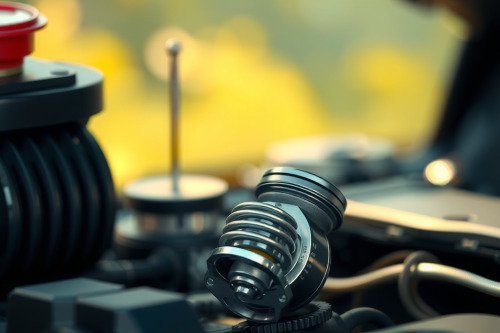
A persistent check engine light linked to a slow engine warm-up cycle points directly to thermal regulation failures. During our diagnostic runs in the shop, we frequently see drivers ignore this fault because the vehicle still runs smoothly. Ignoring this diagnostic signal damages emissions hardware and spikes overall fuel consumption. This guide introduces you to troubleshooting code P0128 coolant thermostat failures with direct mechanical tests.
Understanding Code P0128 and Engine Thermal Management
Modern powertrains demand strict temperature controls to maintain emissions compliance. The powertrain control module tracks how long your engine takes to reach standard operating heat after ignition. If the coolant temperature remains below calibrated targets—typically 75°C to 82°C within a programmed timeframe—the computer logs code P0128.
Target cooling system operating temperature must be achieved quickly to transition the vehicle out of open-loop mode. Cold engines run rich fuel mixtures intentionally. When a vehicle stays cold for 20 minutes of continuous driving, excessive hydrocarbons flush into the exhaust stream. Catalytic converters suffer premature breakdown under these unburned fuel loads.
Primary Root Causes Behind Low Temperature Faults
A mechanically defective thermostat valve represents the most common culprit in our repair logs. The internal wax pellet can deteriorate, causing thermostat stuck open symptoms that route continuous fluid through the heat exchanger prematurely.
Faulty Thermostat Valve Mechanics
Thermostat valves rely on calibrated spring tension and thermal wax expansion. Mechanical debris, contaminated coolant, or broken valve seats hold the return plate off its seat. Coolant then circulates freely through the radiator even while the block is dead cold. Your engine never reaches its specified thermal equilibrium.
Sensor and Signal Deviations
A compromised engine coolant temperature sensor reading generates false thermal readings at the computer. Corrosion across sensor pins adds electrical resistance, which skews voltage returns down into freezing ranges. Inspect wire harnesses carefully for rodent chewing or brittle insulation before ordering mechanical components.
Cooling Fan Module Malfunctions
Electric cooling fans that spin continuously at 100% duty cycle overcool the radiator core. Relay contacts can weld together, forcing cold air across the block continuously. This lowers operating temperatures beneath PCM run thresholds even on mild 25°C days.
Diagnostic Workflow for Troubleshooting Code P0128 Coolant Thermostat
Don't throw new parts at your engine without running structured bench measurements. Systematic testing saves both shop hours and vehicle owners money.
Step 1: Perform an OBD2 Diagnostic Trouble Code Scan
Connect your scan tool directly to the data port under the dash. An OBD2 diagnostic trouble code scan confirms active versus pending status for code P0128 while revealing freeze-frame parameters. Note the exact coolant temperature, engine run duration, and ambient air metrics recorded when the freeze frame was stored.
Step 2: Monitor Real-Time Live Data
Start the vehicle cold and record live digital readings from idle. Watch the thermal climb curve over a 15-minute window. An engine with normal circulation climbs steadily from 20°C straight to 88°C. A vehicle with open bypass circuits struggles to pass 65°C under idle conditions.
Step 3: Measure Physical Hose Temperatures
Use a calibrated infrared thermometer aimed at the upper radiator inlet hose. If the hose warms up immediately alongside the cylinder head, coolant flows through an open thermostat seat prematurely. Normal operation isolates that upper hose until internal block temperatures strike the rated crack-open point of 82°C or 88°C.
Performance Impacts of Neglecting Code P0128
Driving with an engine operating 15°C below target ruins internal engine chemistry. The engine computer introduces closed loop fuel control delay because cold sensors signal poor atomization conditions. Prolonged cold-block cycling causes several compounding engine hazards:
- Crankcase oil dilution as unburned fuel washes past loose piston ring gaps.
- Heavy carbon accumulation across intake valves and spark plug electrodes.
- Severe degradation of internal cabin heating output during winter driving.
- Up to 12% loss in general highway fuel economy due to enriched command trims.
Field Repair Procedures and Replacement Standards
Once you verify that fluid bypasses the housing early, replace the thermostat assembly immediately. Drain 3 liters of coolant from the radiator drain petcock to prevent floor spills. Unbolt the housing retaining bolts, clean mating surfaces with a plastic scraper, and mount the replacement thermostat with a brand-new elastomeric seal.
Refill the cooling passage using the manufacturer-specified ethylene glycol blend at a 50/50 ratio. Air pockets trapped within the cylinder head cause local hot spots while tricking the temperature sensor. Connect a spill-free funnel system and bleed entrained air bubbles until the electric cooling fan cycles twice.
Final Inspection Protocols for Troubleshooting Code P0128 Coolant Thermostat
Successful troubleshooting code P0128 coolant thermostat jobs end with clear verification drives. Clear all stored trouble codes from memory and reset active fuel trim tables using your diagnostic scanner. Take the vehicle on an 8-kilometer road test involving both low-speed city driving and highway cruising speeds. Confirm via live data that engine operating temperature stabilizes between 88°C and 93°C under load. Grab your scan tool, check freeze-frame records, and resolve low-temperature fault codes on your engine right away.