
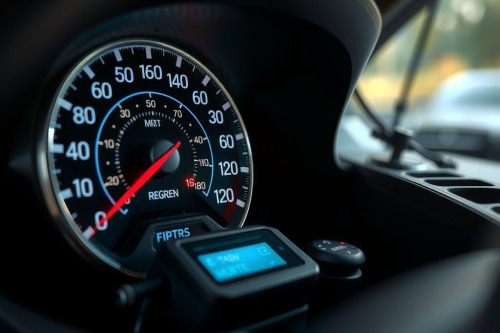
A rough-running engine rolling into your stall can burn hours if you start swapping parts blindly. In my 20 years on the shop floor, learning how to diagnose fuel system problems using OBD2 trouble codes separated green apprentices from top earners. Trouble codes point you toward an unbalanced air-fuel ratio, but you must verify the root cause. Grab your tool and let's inspect the live data before turning a single wrench.
Why you must diagnose fuel system problems using OBD2 trouble codes
Guesswork destroys profits in modern automotive repair. When you diagnose fuel system problems using OBD2 trouble codes, you stop throwing expensive parts at a customer vehicle. Powertrain control modules monitor air-fuel delivery down to milliseconds. When delivery drifts past calibrated thresholds, the computer flags an alert. Reading those trouble codes accurately prevents wasted bay time and protects your shop reputation.
Modern engines run on tight stoichiometric tolerances. A drift of 10% in fuel delivery creates drivability complaints, rough idle, and elevated tailpipe emissions. Relying on tailpipe smell or spark plug coloration belongs to the carburetor era. Using OBD2 scanners provides direct insight into how the vehicle computer compensates for physical component failures.
Essential gear: Choosing an OBD2 scanner for fuel trim diagnostics
You cannot fix modern fuel faults with a 20-dollar code reader from a department store. A professional flat-rate tech keeps capable diagnostic gear right on their rolling cart. The best OBD2 scanner for fuel trim diagnostics must display live parameter identification data, graph sensor voltages, and record snapshot events under load.
Basic code readers only show stored trouble codes. That leaves you stranded halfway through your diagnostic path. You need bidirectional controls to command fuel pump relays, cycle injectors, and reset adaptive memory tables. Invest in a tool that refreshes data frames at 10 Hz or faster. Slow refresh rates hide intermittent pressure drops during wide-open throttle road testing.
Cracking the codes: Diagnosing rich and lean codes
Fuel faults consistently trigger specific generic trouble codes. Recognizing whether you face an excess of unmetered air or a deficiency of liquid fuel is your first milestone.
Deciphering P0171 and P0174 lean conditions
Codes P0171 and P0174 show that Bank 1 or Bank 2 runs too lean. The engine control module detected excess oxygen in the exhaust stream. It added maximum fuel compensation to prevent pre-ignition. Common culprits include cracked vacuum lines, torn intake boots, or weak fuel delivery pumps failing to hold 3.5 bar under acceleration.
Interpreting P0172 and P0175 rich conditions
Codes P0172 and P0175 alert you to a rich condition where the system subtracts fuel. The exhaust oxygen sensors see unburned fuel constantly. Leaking fuel injectors, excessive rail pressure from a stuck regulator, or a contaminated mass air flow sensor sending over-reported airflow figures will quickly trigger these codes.
Reading live sensor data to pinpoint mechanical failures
Trouble codes merely identify the symptom. Live data diagnostics reveal the underlying mechanical defect without busting knuckles on unnecessary teardowns.
Short-term and long-term fuel trim values
Fuel trims represent the electronic control unit correction tables. Short-term fuel trim responds instantly to instantaneous oxygen changes. Long-term fuel trim represents learned historical bias over runtime. Normal total fuel trim numbers hover between -5% and +5%. If you see long-term trims maxed out at +25%, the computer is desperate for more fuel.
Watch the trims change as engine RPM rises from 750 RPM idle to 2500 RPM. If elevated positive trims drop back to normal at higher revs, you've an unmetered vacuum leak. If positive trims remain high or worsen at high RPM, suspect low fuel volume, a plugged fuel filter, or restricted injectors.
Monitoring fuel rail pressure and MAF response
Direct injection engines demand close observation of target versus actual rail pressure. Low-pressure lift pumps must supply roughly 4 to 6 bar to the engine bay. High-pressure mechanical pumps push that up to 150 bar or higher during load cycles. If actual pressure lags behind target command by more than 10%, you've found your lean condition trigger.
How to diagnose fuel system problems using OBD2 trouble codes efficiently
Systematic workflows stop you from falling into a diagnostic rabbit hole. Work from simplest checks to complex mechanical verification.
Isolating vacuum leaks from delivery starvation
Connect your diagnostic tool and pull the freeze frame records immediately. Freeze frame data captures the exact speed, load, and temperature present when the code set. If the fault triggered at 65 mph under 80% calculated engine load, stop hunting for manifold vacuum leaks. Focus on fuel pressure testing and fuel filter flow capacity.
Verifying injector pulse and physical pressure
Compare electronic scanner data with manual mechanical gauge readings. Sensor bias corrupts computer logic. A biased rail pressure sensor might report 50 psi when the rail holds only 20 psi. Tap into the fuel rail test port with a mechanical gauge. If mechanical pressure matches digital scanner readings, your sensors report truth. You can then test electrical injector pulse width and balance drop rates.
Professional field tips for preventing comebacks
Properly clearing a repair job requires thorough post-repair verification. Once you diagnose fuel system problems using OBD2 trouble codes and replace failed hardware, always reset adaptive fuel trims with your scan tool. Never just clear trouble codes and hand the keys back.
Take the vehicle through a full drive cycle on local streets and highways. Confirm both short-term and long-term trims stay within the healthy +/-8% operating window across all load zones. Preventing comebacks depends entirely on verified dynamic testing before vehicle delivery. Grab your scanner, hook up to the diagnostic port, and let data guide your next repair.