
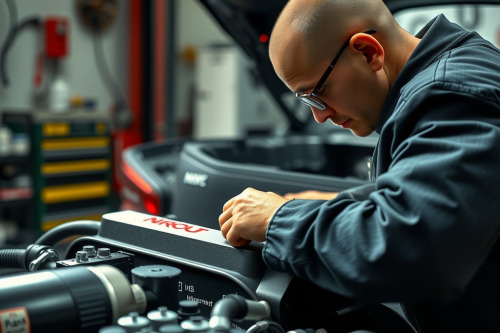
An unresolved misfire dumps unburned fuel straight into your catalytic converter, melting the ceramic substrate within 15 minutes of hard driving. Through 12 years of fleet maintenance, I have watched technicians waste thousands replacing good sensors on blind hunches. Learning how to diagnose engine misfires requires an orderly diagnostic sequence rather than throwing parts at a flashing lamp. Follow the systematic checks below to isolate the failing cylinder before turning a single bolt.
Why is your check engine light flashing under load?
A flashing malfunction indicator lamp signals catalyst-damaging misfire rates exceeding 2% of total combustion cycles. When engine load increases during highway acceleration or towing, cylinder pressure rises and demands secondary ignition voltage above 25 kV. Weak ignition coils or excessive spark plug gaps fail under these dense chamber conditions. You will immediately feel chassis vibration and severe power loss. Pull over safely to prevent immediate converter meltdown.
How to diagnose engine misfires caused by ignition components?
Secondary ignition breakdown represents roughly 70% of all rough-running complaints in modern gas engines. Isolate component failure by swapping parts methodically.
Performing an ignition coil failure test
Move the suspect coil from the misfiring cylinder to an adjacent functioning cylinder. Clear the trouble codes, run a road test, and scan the control module again. If the diagnostic code migrates to the new cylinder, replace the damaged coil pack. Inspect spark plugs for carbon tracking, heavy oil fouling, or ground electrode erosion exceeding 1.1mm. Use a digital multimeter to verify primary winding resistance between 0.5 and 1.8 ohms.
Can fuel delivery faults trigger intermittent cylinder misfires?
Lean air-fuel mixtures fail to ignite reliably, creating erratic combustion strokes across operating bands. Proper pressure and spray patterns remain mandatory for stable combustion.
Evaluating fuel injector pulse width and delivery pressure
Monitor live fuel trims on your scan tool to distinguish fuel starvation from ignition failure. Fuel trims reading above +15% at idle suggest vacuum leaks or dirty injector tips. Measure rail pressure directly; port fuel systems require 3 bar to 4 bar, while direct injection systems exceed 150 bar. Pulse each injector with an electronic tester while recording pressure drop. Any cylinder displaying a pressure drop variance greater than 0.2 bar indicates a restricted injector nozzle.
How to diagnose engine misfires using mechanical compression tests?
Worn mechanical components cause dead misfires that electrical and fuel troubleshooting can't rectify. Always verify physical integrity before ordering high-cost electronics.
Executing a cylinder compression test and leakdown check
Remove all spark plugs and disable the fuel injection pump relay before spinning the starter motor. Thread your mechanical gauge into the spark plug port of cylinder 1. Crank the engine through 4 compression cycles, noting the needle rise on each stroke. Functional gasoline engines maintain 10 bar to 13 bar with less than 10% variation across all cylinders. If one cylinder drops below 7 bar, inject 10ml of clean motor oil into the chamber. Rising compression indicates worn rings, while unchanged readings point to burned exhaust valves or damaged head gaskets.
What scan tool live data parameters isolate random misfire codes?
Deciphering a random multi-cylinder code like P0300 demands real-time data analysis. Monitor short-term fuel trim, long-term fuel trim, manifold absolute pressure, and airflow volume simultaneously. Fuel trims exceeding +20% exclusively at idle confirm unmetered air entering via intake manifold gaskets. Failed mass air flow sensors cause lean conditions across high engine speeds. Verify crankshaft position sensor signals under sudden acceleration. A cracked reluctor wheel mimics engine deceleration, recording false misfire counts across multiple cylinders.
Actionable protocol to resolve persistent engine misfires
Systematic field procedures prevent costly component replacement on healthy engines. Make sure battery terminal voltage stays above 12.4V before running sensor tests, as weak grounds create false diagnostic readings. Knowing how to diagnose engine misfires effectively means checking ignition, fuel delivery, and mechanical sealing in strict order. Connect your diagnostic scanner, record your freeze frame records, and test the highest-probability failure point first.