
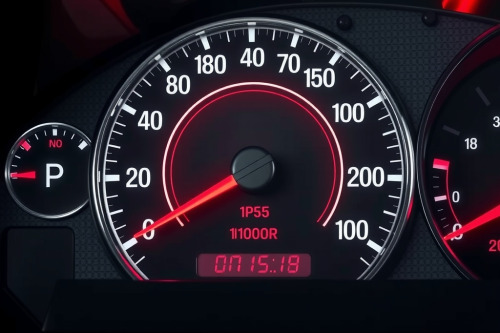
A glowing amber dashboard warning signals an active powertrain fault that requires immediate triage before emissions or catalytic converters suffer permanent damage. Over 15 years in mechanical repair, I have seen drivers waste hundreds of dollars swapping random sensors before running basic line diagnostics. Learning how to fix a check engine light starts with methodical data gathering rather than guesswork. Here's the exact troubleshooting sequence we run in our repair shop to isolate faults and verify permanent repairs.
Scan the On-Board Diagnostic System Correctly
Never disconnect the 12V battery terminal to clear an unresolved fault. Doing so wipes freeze frame records and resets emissions monitors without fixing the underlying failure. Connect a dedicated OBD-II diagnostic scanner directly to the 16-pin data port below the driver dashboard.
Retrieve Active, Pending, and Permanent Fault Codes
Turn the vehicle ignition switch to the run position without cranking the engine. Command the diagnostic scanner to read all stored DTC entries. Active codes trigger the instrument cluster lamp directly. Pending codes show intermittent failures detected within the last 2 drive cycles. Record every code number alongside the freeze frame log, which captures fuel trim, engine coolant temperature, calculated engine load, and intake manifold pressure at the exact millisecond the fault occurred.
How to Fix a Check Engine Light Triggered by Evaporative Leaks
Evaporative emission control system codes, such as P0440 through P0457, rank among the most common trouble alerts on passenger vehicles. These codes show fuel vapor leakage or purge valve failure rather than mechanical engine failure.
Inspect the Filler Neck and Gas Cap Seal
Begin with physical inspection of the fuel filler neck. Remove the gas cap and examine the internal rubber O-ring for dry rot, deep cracking, or petroleum fuel wash damage. Clean corrosion from the filler rim using a clean shop rag. If the seal fails to maintain at least 1.5 psi of vacuum, install an OEM-spec replacement cap immediately. Clear the DTC and complete 2 cold-start drive cycles to confirm monitor readiness.
Smoke Test the Vapor Recovery Lines
If fuel cap replacement leaves code P0442 active, connect a 12V automotive smoke machine directly to the test service port. Regulate input test pressure strictly under 0.5 psi to avoid blowing out internal canister valves. Watch the chassis fuel lines and purge solenoid housing under a high-intensity inspection light. Smoke escaping along purge pipe joints pinpoint hairline plastic fissures that require immediate line replacement.
Isolate and Repair Engine Ignition Misfires
Flashing indicator lights signify an active, catalyst-damaging cylinder misfire under load. Pull over immediately when the light flashes. Read codes P0300 through P0308 to pinpoint which individual combustion chamber is losing power balance.
Perform Component Swapping Diagnostics
Do not buy new parts blindly. If code P0302 indicates a cylinder 2 misfire, swap the ignition coil pack from cylinder 2 into cylinder 1. Clear the code and run the engine until the monitor updates. If the fault moves directly to code P0301, the coil pack suffers from internal dielectric breakdown. Replace the failed coil unit. If the code remains stubborn on cylinder 2, pull the spark plug to inspect center electrode erosion and measure the ground gap against the factory 1.1 mm specification.
Diagnose Exhaust and Air-Fuel Metering Faults
Lean air-fuel codes like P0171 and P0174 point to unmetered air entering downstream of the mass airflow sensor. When dealing with how to fix a check engine light caused by fuel trim discrepancies, check dynamic live stream data first.
Analyze Long-Term Fuel Trim Parameters
Monitor Short Term Fuel Trim (STFT) and Long Term Fuel Trim (LTFT) on your live data screen. Normal values hover between -5% and +5%. If LTFT climbs beyond +18% at idle, an intake vacuum leak is actively siphoning unmetered air into your cylinders. Spray brief bursts of non-chlorinated brake cleaner around the intake manifold gasket and vacuum hose barbs. A momentary drop in trim percentages exposes the mechanical leak location instantly.
Oxygen Sensor Replacement Procedures
Sluggish O2 signals frequently trigger circuit heater codes P0135 or sensor performance codes P0133. Upstream sensors must toggle rapidly between 0.1V and 0.9V at least twice per second at 2000 RPM. A flatlined trace near 0.45V confirms internal element poisoning. Apply penetrating fluid to the exhaust bung threads while the pipe retains mild residual heat. Unthread the worn sensor using an offset 22 mm oxygen sensor socket, apply nickel anti-seize strictly to the new sensor threads, and torque the assembly to 40 Nm.
Verify the Repair and Reset Readiness Monitors
Replacing broken hardware represents only half the job. You must prove the powertrain control module registers normal operating parameters across factory test cycles before declaring the repair complete.
Clear Diagnostic Data and Run the Standard Drive Cycle
Clear all DTC logs using your scanner interface. Drive the vehicle under varied conditions: 10 minutes of city stop-and-go driving followed by 15 minutes of steady cruising at 88 km/h with the fuel tank filled between 25% and 75%. This specific operational window enables the internal monitors for catalyst efficiency, secondary air injection, and evaporative controls to run their diagnostic tests. Confirm that all system monitors display 'Ready' status on your scan tool display.
Field Inspection Advice for Long-Term Reliability
Addressing how to fix a check engine light successfully relies on validating sensor telemetry before unboxing replacement components. Inspect wiring harnesses for rodent bites or heat degradation against exhaust heat shields whenever intermittent signal codes appear. Invest in an OBD-II diagnostic tool capable of live sensor graphing and real-time data export. Run a comprehensive system health scan at the first sign of dashboard illumination to stop minor sensor offsets from compounding into costly mechanical repairs.