
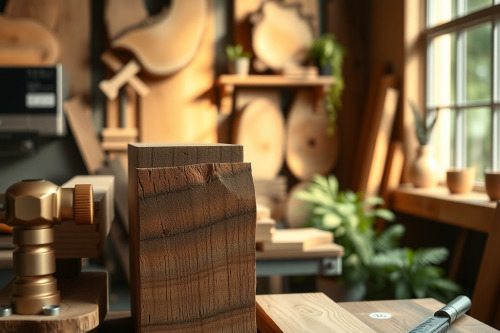
You ruin expensive stock when you feed wild hardwood against the wrong cutter profile at full speed. After 25 years running millwork shops, I see carpenters botch custom molding runs because their tool can't handle wood density. Choosing the right timber species for home decor demands an honest look at grain stability and tool capability. Pair unstable lumber with an underpowered plunge base, and you will trash the workpiece before lunch.
Grain density and selecting timber species for home decor
Dense hardwoods fight back against cutting edges. Hard maple and white oak carry tight, interlocking fibers that push back against cutter flutes instantly. When working these materials, the best wood router must supply constant electronic speed management under heavy mechanical loads. Without torque compensation, motor revolutions drop by 4000 RPM mid-pass. That sudden drag ruins the edge and wrecks your cut line.
Hard maple and white oak dynamics
Run these woods with sharp carbide cutters only. Never force high-speed steel into 800kg per cubic meter timber. High-density lumber will dull budget edges after only 3m of edge profile cutting. Use rigid phenolic sub-bases to keep the machine flat on long timber runs.
Setting feed rates to avoid burning the stock
Cherry burns in seconds. Black cherry yields stunning color for custom hardwood moldings, but stray tool marks ruin the finish. If you linger in one spot for half a second, high friction scorches the timber face. This leaves dark burn marks that demand hours of scraping to remove.
Feed the cut steadily at 50mm per second. Trust your hands and maintain firm forward momentum. If the motor bogs down, your bite is simply too deep. You must make lighter preliminary passes rather than pushing the machine beyond its mechanical limit.
Matching bit diameter and profile depth to lumber density
Never take a 12mm profile depth in a single pass through hard stock. Deep passes invite catastrophic cutter failure. We see excessive load create violent vibrations, which lead straight to collet slip on rough stock. When a bit creeps out of the collet chuck by even 1mm, your workpiece accuracy is destroyed.
Step down your depth in strict 3mm increments. Light cuts clear chips clean and prevent heat buildup around the cutter shanks. Small trim profiles run clean at 22000 RPM on light stock. Large panel-raising profiles require speeds dialed down to 12000 RPM on dedicated 12mm collets.
Avoiding tear-out across tricky timber species for home decor
Walnut and figured ash present nasty grain reversals. Grain direction can flip 180 degrees within 100mm on figured boards. Shaving across these transitions produces massive tear-out if your cutter geometry is wrong. Any thorough wood router review will tell you that variable speed control is mandatory for figured decorative wall paneling.
Back-rout the end grain first to eliminate blown-out board corners. Climb-cut only tiny 0.5mm skin passes when cleaning up wild curl or burl patterns. If your base rattles across the bed, lower the motor speed to stop bit chatter before it gouges the wood face.
Dust management and rig stability on the bench
Soft woods like poplar throw stringy, broad chips that choke extractors. Coarse chips cause a severe dust collection choke in narrow 35mm collection ports. Once the extraction port packs shut, hot chips recirculate against the cutter flutes. That extra friction overheats the cutter and shortens tool life by 50%.
Use dedicated 63mm vacuum hoses directly over the fence port. Keep the work table clean of packed sawdust between runs. A single stray chip under your base plate will tilt the motor and ruin your joinery.
Field advice for choosing timber species for home decor
Inspect raw timber boards for moisture content before milling. Never shape timber sitting above 10% moisture content for interior trim projects. Wet lumber binds cutter flutes, corrodes precision collets, and shrinks unevenly once mounted on interior walls. Gauge your timber species for home decor by checking straightness, end checks, and grain direction in the yard. Pick stable boards, prep your cutters, and run your test cuts on scrap stock right now.