
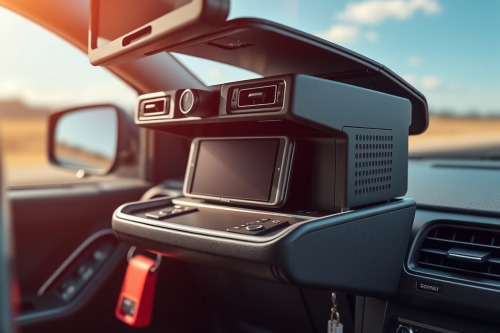
Leaving a standalone navigator mounted on the glass invites smashed side windows and ruined road trips. Over 12 years of evaluating field telematics and mobile gear, I've seen opportunists target mounting rings within 30 seconds. Implementing proper safe storage for dashboard hardware protects your navigation assets and secures your vehicle cabin against aggressive smash-and-grab attacks. Treat your rig with the discipline of a professional driver before turning off the ignition.
The real vulnerabilities behind safe storage for dashboard hardware
Prowlers rarely inspect model numbers through deep window tint. They look for quick visual cues indicating valuable electronics inside the cabin. A bare suction cup cradle left on the windshield tells a prowler everything they need to know. Even a faint circular suction outline on dusty glass screams that high-value hardware rests under the seat or inside the center console.
The mechanics of opportunistic vehicle theft
Tempered vehicle glass shatters silently with a 5-dollar spring-loaded center punch. A thief requires under 4 seconds to punch the glass, grab whatever sits in plain view, and disappear into traffic. Investing in the best gps for car means nothing if you leave clear visual markers that attract street-level prowlers.
Cables reveal your hardware just as fast as windshield cradles. An auxiliary power lead running from a 12V accessory port straight under the passenger seat gives away your hiding spot instantly. Stow the harness alongside the unit every single time you park in public zones.
Securing mounts and cables against smash-and-grab prowlers
Dismounting only the receiver head solves half the problem. A seasoned prowler checks your windshield for suction ring residue immediately. Keep a microfiber towel inside the door pocket to wipe the glass surface clean every time you take down the bracket.
Eliminating telltale physical evidence
Magnetic quick-release bases reduce mechanical teardown time to roughly 2 seconds. These bases let you snap the unit off without fighting stiff friction collars or breaking fragile plastic tabs. Stow the mount completely out of sight rather than leaving it suctioned to the windshield.
Routing cables cleanly prevents loose cords from dangling across your lower console trim. When using dedicated gps navigation, hardwire the power harness behind your vehicle dashboard panels or store coiled cords inside an opaque storage pouch. Out of sight means out of mind for passing criminals.
Thermal hazards and safe storage for dashboard hardware
Tossing an expensive device directly into a baking vehicle interior introduces severe component risks. Enclosed vehicles routinely hit internal ambient temperatures exceeding 65°C under direct summer sunlight. Storing electronics inside an uninsulated glove compartment subjects internal components to destructive thermal cycling.
Battery degradation and screen failure modes
Extreme cabin heat expands internal lithium pouches and destroys circuit solder joints. High thermal stress causes capacitive ghosting on delicate multi-touch glass panels, resulting in erratic inputs and phantom taps during travel. Extreme heat cycles also degrade anti-reflective screen coatings, producing blinding glare washout during midday driving conditions.
Use a padded, thermally insulated ballistic nylon case stored low on the floorboard. The vehicle floor stays up to 15°C cooler than dashboard surfaces or upper storage compartments. Insulated containment preserves internal components while keeping equipment hidden from street view.
Operational habits for quick takedown without hardware wear
Rough dismount habits destroy ports and mounting joints within 6 months. Ripping mini-USB or USB-C plugs out at sharp angles cracks surface-mount solder pads on the internal circuit board. Loose connection points produce severe latency lag and random power cutoffs over rough washboard roads.
Preserving interface pins and ball-socket joints
Grasp connectors firmly by the molded housing instead of tugging on the rubberized lead wire. Ball-socket adjustments should remain slightly lubricated with dry PTFE spray to stop plastic galling. Smooth hardware adjustments allow rapid takedown without stripping tension rings or breaking dashboard vent louvers.
Protect optical glass surfaces from abrasive dust during storage. A dedicated soft microfiber sleeve stops keys and tools from scratching screen polarizers inside your field bag. Clean display lenses make sure pristine readability under direct sunlight.
Securing high-precision units and maintaining sensor calibration
High-tier navigators rely on sensitive internal hardware packages that require careful handling. The best gps navigation for car systems combines satellite signals with internal gyroscopes and 3D accelerometers. This fusion enables accurate dead reckoning when satellite reception drops inside tunnels or concrete canyons.
Preventing cold-boot tracking delays on the road
Harsh drops or violent tosses into a trunk knock internal inertial sensors out of alignment. Sudden physical shock forces navigation software into lengthy self-calibration routines before tracking reliably. Poor calibration causes erratic positioning updates and prevents the processor from preventing rerouting loops on complex highway interchanges.
Cold starts after prolonged storage require unobstructed sky view for rapid signal triangulation. Keep your external antenna connections clean and unbent during transit. Intact coax connections ensure immediate satellite locks and uninterrupted trip logging across remote transit routes.
Deploying safe storage for dashboard hardware on the road
Establishing consistent teardown habits prevents expensive hardware replacements and window repairs. Never wait until arriving at a sketchy urban parking lot to hide your navigation unit. Prowlers frequently watch commercial lots to spot drivers transferring hardware into trunks or under seats.
Take down your dashboard gear 2 blocks before reaching your final public parking destination. Wipe the suction marks off the glass, coil your power leads cleanly, and stow the gear inside an insulated case out of view. Implement these safe storage habits today to keep your navigation hardware fully operational and completely secure wherever the road takes you.