
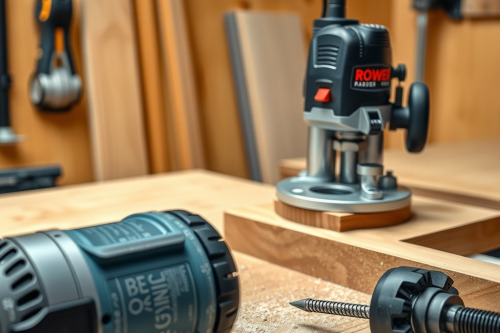
Running a cutter flat out at 24000 RPM on rock maple will ruin an expensive bit before lunch. In my 20 years on site, mismatched speed and feed cause more ruined workpieces than bad measurements. Dialing the right router speed settings for timber densities stops violent kickback and saves your motors. Take two minutes to learn the mechanical baseline before you flip that switch.
Understanding router speed settings for timber densities
Spinning a cutter too fast in dense wood generates pure friction instead of clean shavings. Wood doesn't conduct heat away from the cut, so the heat dumps directly into the cutting edge. Softwoods like western red cedar tolerate high spindle speeds because their open cellular structure yields easily. Hard hardwoods like hickory or ipe push back with intense resistance.
When you ignore wood cell density, two destructive things happen at once. First, resin glazes on the cutters, causing rapid dulling and burning the stock. Second, excessive rim speed on larger profiles induces severe bit chatter, which leaves washboard ridges across your workpiece. A quality variable speed wood router exists specifically to give you mechanical control over these thermal dynamics.
Selecting cutter RPM by bit diameter and wood hardness
Spindle speed is governed by both cutter diameter and species hardness. Matching bit diameter to wood hardness is the primary rule of safe machine operation. Small bits under 25mm diameter have low tip speed, meaning they need high rotational speed between 18000 and 22000 RPM to shear fibers cleanly. Large panel-raising cutters exceeding 50mm diameter must never spin above 12000 RPM, regardless of the species.
Baseline speed reference chart
- Bits under 25mm in softwoods: 20000 to 24000 RPM
- Bits under 25mm in dense hardwoods: 16000 to 18000 RPM
- Bits 25mm to 50mm in softwoods: 16000 to 18000 RPM
- Bits 25mm to 50mm in dense hardwoods: 12000 to 14000 RPM
- Bits over 50mm in any lumber: 8000 to 12000 RPM
Any decent wood router review will prioritize machines with constant-response electronics that maintain your selected RPM under heavy load. Cheap motors bog down when hitting hard growth rings, then surge unexpectedly when passing into softer springwood.
Calibrating feed rate and spindle speed on the bench
Feed speed and motor revolutions work as a linked pair. Push too slowly, and the teeth rub the exact same spot repeatedly, scorching the wood face. Push too aggressively, and you bog the motor while risking tear-out along exposed end grain. Listen closely to the motor pitch under load. A steady, purposeful hum signals that your feed rate and spindle speed are in balance.
Cutters made of solid tungsten carbide handle heat better than high-speed steel, but even carbide degrades quickly under friction. If you smell toasted wood or spot dark scoring along an edge, your cutter is lingering too long in the cut. Step down your motor dial by one increment or increase your pass rate across the bench.
Routing dense exotic hardwoods without catastrophic tear-out
Dense species like purpleheart, bubinga, and ebony present unique machining challenges. These woods have interlocked grain patterns and high silica concentrations that punish high-speed tooling. Routing dense exotic hardwoods requires lowering spindle speed to approximately 14000 RPM, even when using modest 19mm profile bits.
Take light hogging passes instead of attempting to cut the final profile depth in a single run. Removing more than 3mm of dense material per pass creates extreme side load on the shank. That lateral pressure causes collet slip, which destroys both the bit and your workpiece. Step your cut in multiple shallow stages, saving a final light 0.5mm pass for surface cleanup.
Preventing common routing mistakes with router speed settings for timber densities
Novices often lock their variable speed dial at maximum and forget it exists. Running wide open on dense red oak produces jagged edges and chips out edge profiles where grain runs wild. Lowering the speed gives the cutter time to eject waste without jamming the gullets.
Watch your chip extraction setup closely during heavy profiling runs. Fluffy shavings from soft pine clear easily, but dense shavings from white oak can cause an immediate dust collection choke at the sub-base shroud. Compacted waste traps friction heat against the spinning metal, accelerating tool wear. Check your exhaust ports frequently when processing high-volume edge profiles.
Site guidelines for dependable routing performance
Selecting the best wood router for your shop comes down to how consistently the motor delivers torque at low speeds. Check your tool collets weekly for scoring or debris buildup to make sure concentric rotation. Always verify timber density on scrap cutoffs before making finished cuts on your project parts. Adjust your router speed settings for timber densities before clamping the stock, keep your feed steady, and let the cutter do the work.