
Running a heavy profile on white oak for 45 minutes straight will push any small electric motor past its physical comfort zone. After 22 years of custom millwork, I can smell scorched armature varnish from across the shop before the thermal switch even trips. When your motor overheats during milling, continuing your cut will melt field windings, bake the bearings, and turn your equipment into scrap. You need to identify thermal choke points immediately to protect your investment and finish the job cleanly.
Why your motor overheats during milling under heavy load
Universal motors packed into a typical wood router generate extreme internal friction under continuous resistance. Pushing a large-diameter panel raiser through kiln-dried maple forces the tool to draw peak amperage for minutes at a time. That sustained electrical pull converts straight into thermal energy inside the housing. If you force the cutter forward too slowly, you end up burning the stock while generating unnecessary heat that backs up into the spindle.
Airflow restriction acts as an immediate multiplier for this heat. Fine sawdust routinely clogs top intake vents, creating a severe dust collection choke that starves the internal impeller of ambient air. Without fresh airflow streaming over the field coils, running temperatures spike past 90°C in under 3 minutes of aggressive cutting. Choosing the best wood router for timber milling won't save you if the cooling passages remain packed with compacted chips.
Spotting thermal strain before total failure
Your hands and ears will tell you everything you need to know about the state of the motor. Pay attention to how the housing feels through your grip; warm aluminum is standard, but a casing you can't hold for 5 seconds indicates a critical threshold. A sharp drop in pitch usually follows, signaling that the motor cannot maintain its target 18000 RPM under load.
Vibration and mechanical symptoms
Watch your cut quality closely as temperature rises. Extreme thermal expansion inside the shaft housing causes microscopic alignment shifts that trigger aggressive bit chatter across end grain. If you ignore this vibration, the heat transfers directly down into the chuck assembly. That thermal transfer softens clamping pressure, leading to sudden collet slip that ruins your workpiece and risks throwing a 1/2-inch shank cutter across the bench.
Electrical warning signs
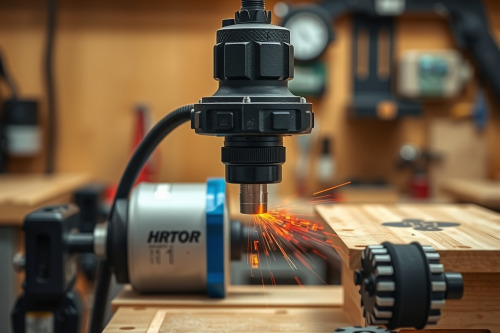
Keep your eyes peeled near the exhaust ports for erratic orange flashes around the motor commutator. Intense arcing occurs when a worn carbon brush softens and loses uniform contact with the armature bars due to localized heat. That sparking generates severe ozone odors and rapid carbon deposits that will ruin the rotor assembly permanently if run continuously.
Immediate shop floor response when motor overheats during milling
The instant you realize your motor overheats during milling, lift the cutter completely clear of your cutline. Never shut the tool down instantly while it sits red-hot under zero airflow. Instead, let the tool run unloaded at its medium speed setting for 60 to 90 seconds. The cooling fan spins freely without mechanical resistance, pulling fresh air across the windings and dumping heat out through the exhaust ports.
Shut the power off only after the casing drops in temperature, then pull the wall plug. Inspect the vents immediately and use a dry compressor nozzle set at 3 bar to clear packed swarf out of the intake screens. Don't douse the tool with solvents, and never place cold wet rags on the aluminum casting. Sudden thermal shock can crack the motor housing or misalign the bearing seats instantly.
Adjusting feed rates and pass depth to manage heat
Milling heavy timber requires smart tooling geometry and measured cutting stages rather than brute force. If you attempt to hog out a 19mm profile depth in a single pass, you choke the motor and invite severe tear-out along delicate grain lines. Divide massive profiles into 3 or 4 progressive increments using stepped template guides or adjustable plunge stops.
Match your feed rate to your chosen bit speed to keep chips thick and cool. Fine, powdery dust indicates your feed rate is far too slow, keeping the carbide scraping against raw timber rather than slicing clean chips away. Every comprehensive wood router review emphasizes that pulling large, crisp chips out of the cut draws heat away from the cutter and out into the extraction system.
Upkeep and airflow checks for long-term motor health
Routine maintenance keeps shop tools alive far longer than manufacturer warranties suggest. Inspect the intake louvers every morning before starting any heavy production run on your bench. Clean out the collet taper using brass wire brushes and mineral spirits to eliminate built-up pitch that degrades clamping friction.
Check the brushes every 80 operating hours. When carbon blocks wear down to less than 6mm in length, spring tension weakens drastically, driving up electrical resistance and generating destructive heat inside the casing. Keep fresh bearings seated securely; dry, gritty bearings generate high friction that robs horsepower and heats the bottom plate before the bit even contacts the lumber.
Field checklist for dependable router performance
Preventing thermal overload comes down to mechanical discipline on the shop floor. Listen to your machine, cut within its duty cycle, and maintain unrestricted ventilation paths. When your motor overheats during milling sessions, treat it as an immediate mechanical alert to step down your cut depth and clear your airflow passages. Inspect your collet assembly, feed clean lumber with sharp carbide tooling, and let your wood router work at a steady, sustainable pace.